

Transparent bag
The material
BIO-BASED HDPE IS PRODUCED USING ETHANOL DERIVED FROM SUGAR CANE. ACCORDING TO THE MANUFACTURER, THE BIO-BASED CONTENT OF THE MATERIAL IS APPROXIMATELY 90%. THE MATERIAL IS NOT BIODEGRADABLE OR COMPOSTABLE.
The sugar cane is grown and processed in Brazil, where the green polyethylene is also produced. By using the bio-based raw material content, a corresponding proportion of fossil raw materials is replaced.
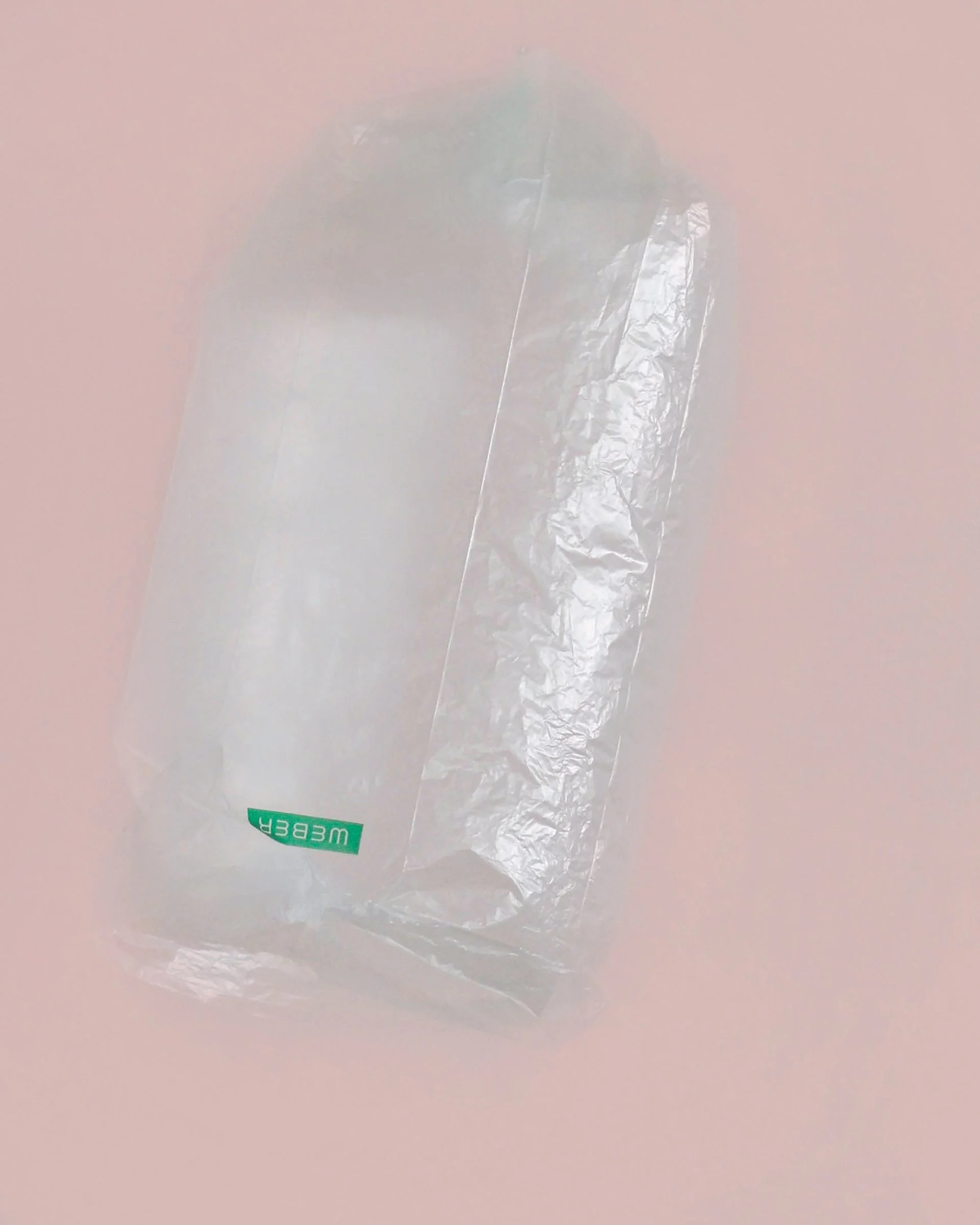
The bags offer comparable performance characteristics to bags made from conventional HDPE. They are transparent, leak-proof and tear-resistant.
Properties
THE TRANSPARENT BAG WITH STAR SEAL OFFERS HIGH LEAK RESISTANCE AND TEAR RESISTANCE.
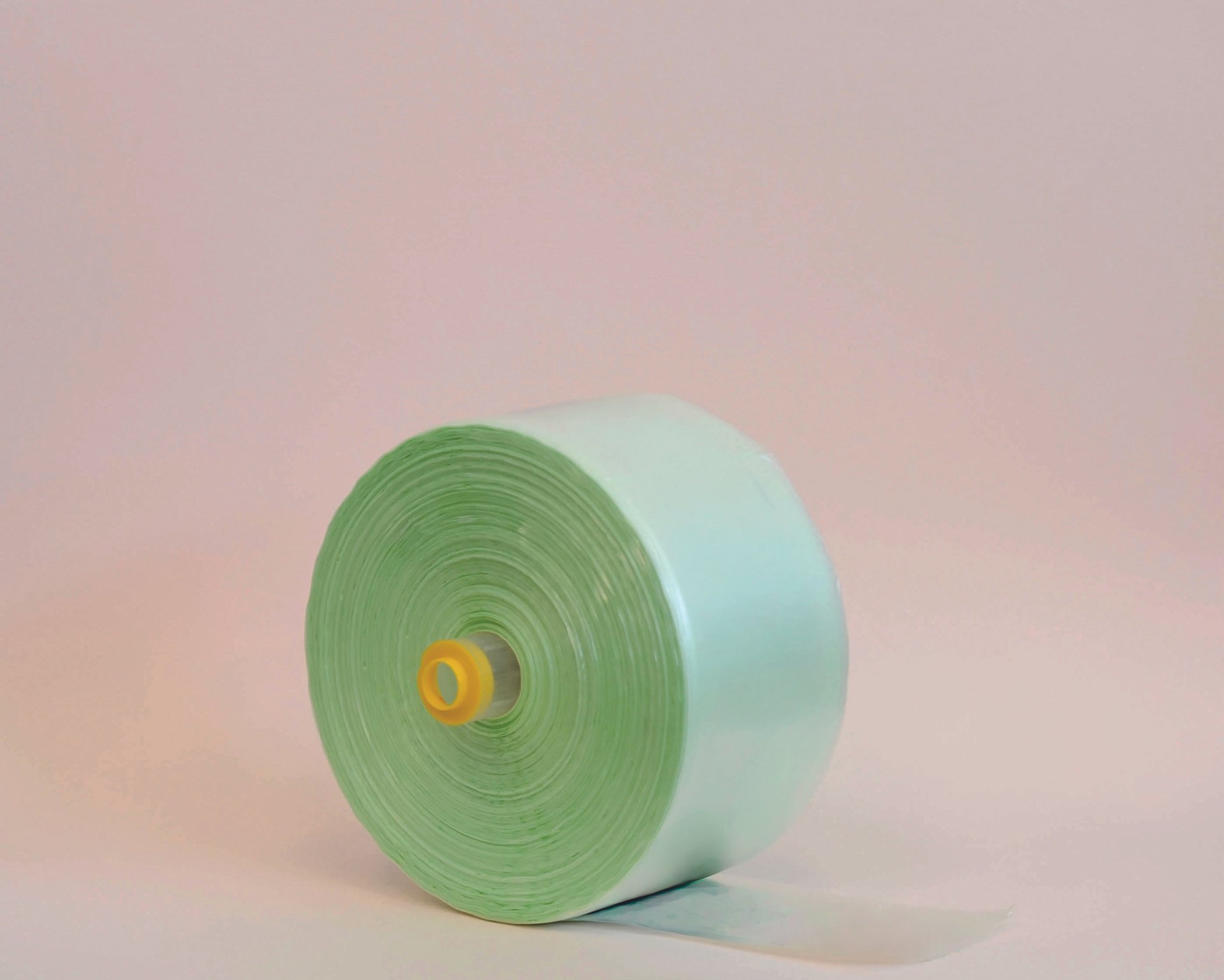
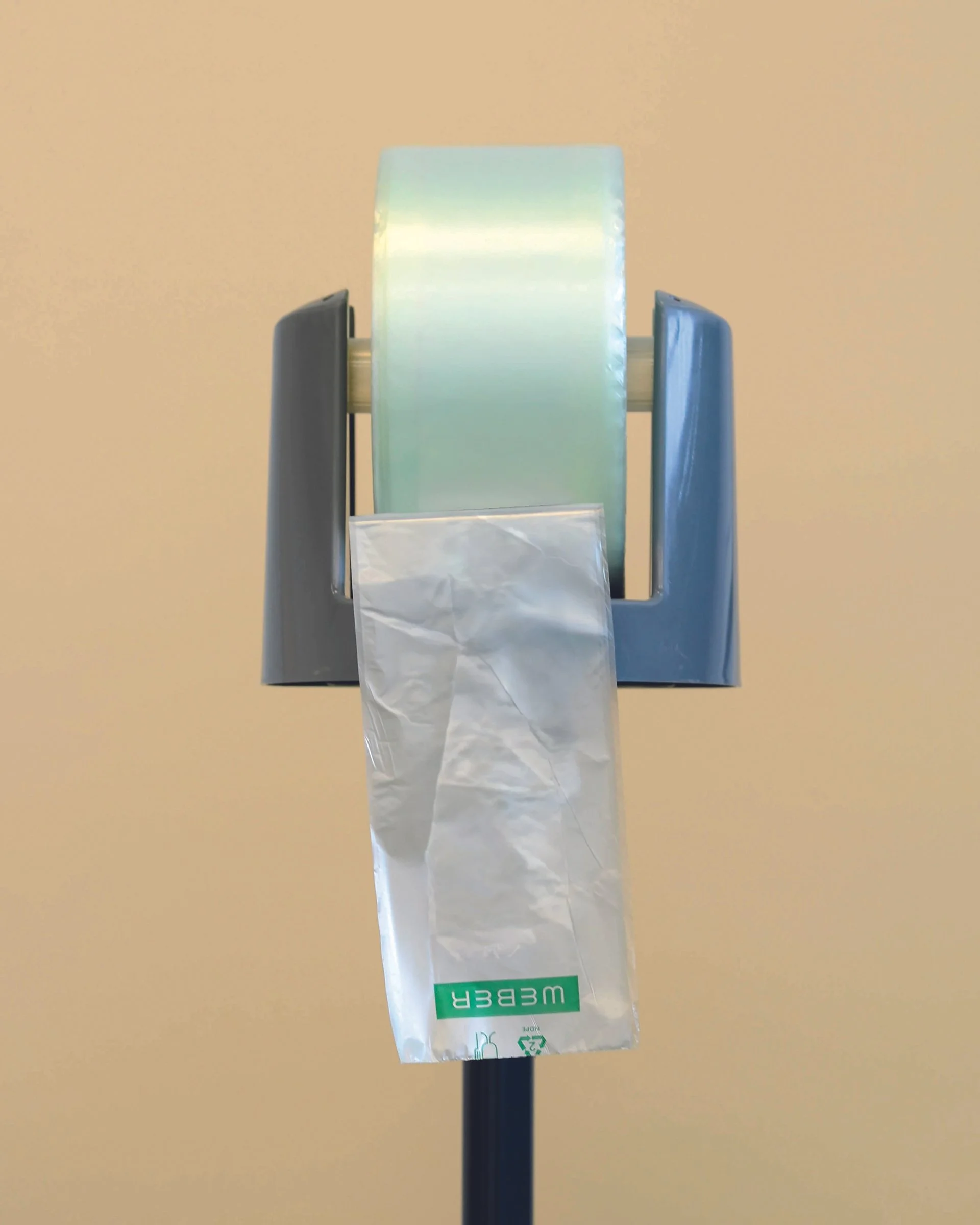
The star seal distributes the contents more evenly within the bag. This can help reduce pressure marks on fruit and vegetables during packaging and transport. The bags are supplied on a roll in a dispenser. The bag is made from HDPE and is suitable for material recycling where appropriate collection and sorting systems are available. After use, please empty the bag completely and dispose of it via the appropriate recycling collection system in accordance with local disposal requirements.
Bags per roll: 1,050 | Tear resistance: well over 10 kg
Also available with your customised print design!
The production of bio-based polyethylene
FROM SUGAR CANE TO THE FINISHED PLASTIC.
The starting point for the production of bio-based polyethylene is Brazilian sugar cane. After harvesting, it is processed and the resulting ethanol is used as a raw material for plastic production.
In the next step, the ethanol is converted into ethylene. Polymerisation then produces polyethylene, which can subsequently be processed into films and bags using conventional production methods.
Bio-based polyethylene has the same chemical structure as conventional fossil-based polyethylene. It therefore offers comparable properties during processing and use. The material is durable, moisture-resistant and suitable for the production of transparent and tear-resistant bags.
The term “bio-based” refers to the origin of the raw materials used. It does not mean that the material is biodegradable or compostable. The same disposal and recycling routes therefore apply as for conventional HDPE.
From sugar cane to the bag
Zuckerrohr
Sugar cane
→ Ethanol production
→ Conversion to ethylene
→ Production of polyethylene
→ Processing into film and bags
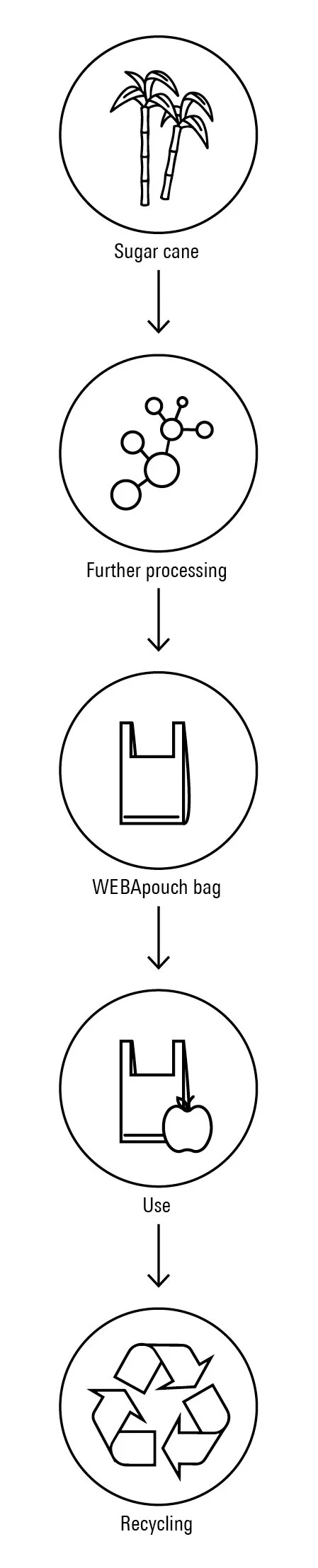
Schematic representation of the product life cycle.